
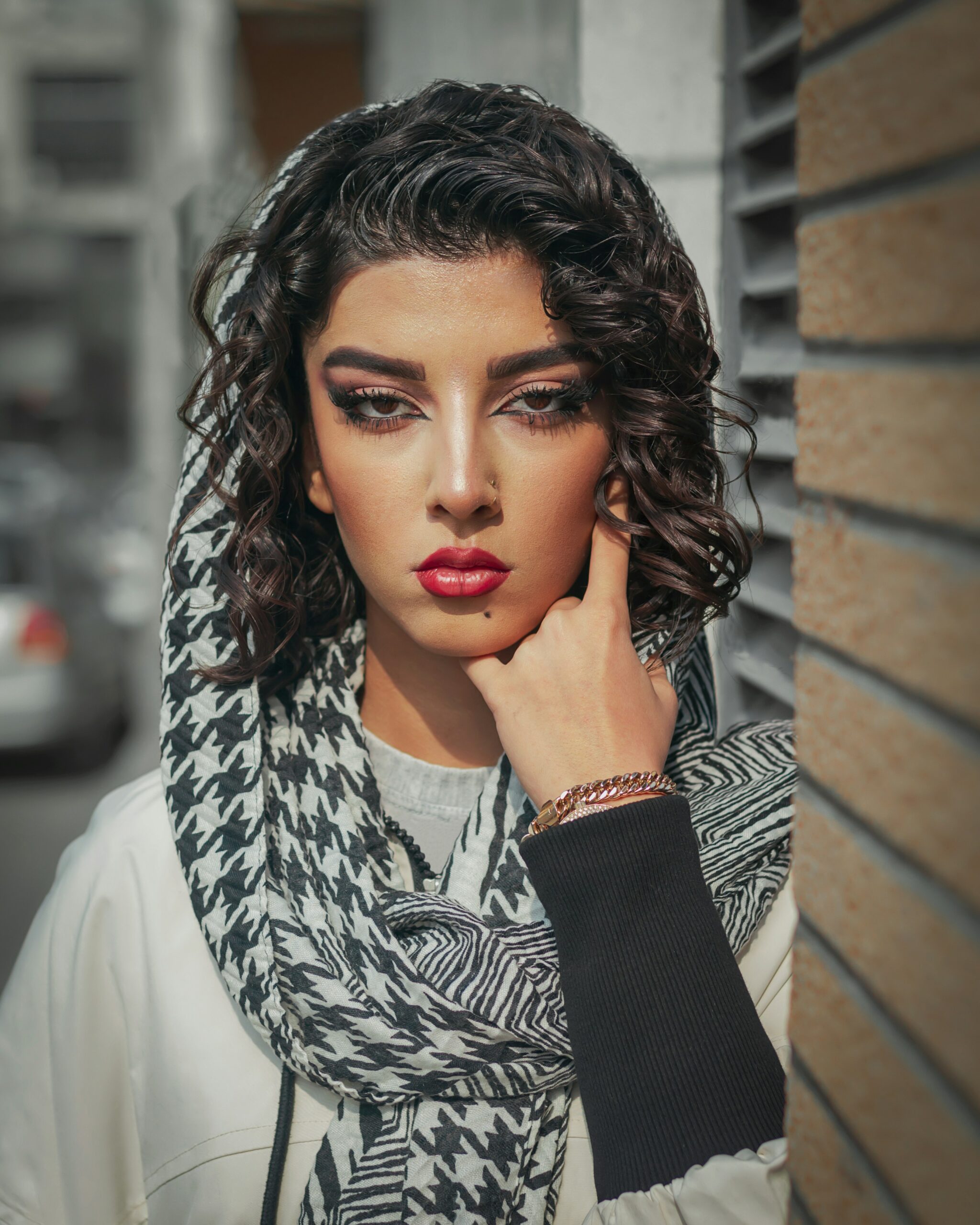
Photo by Ali Ahmadi on Unsplash
Not all novels that wrestle with race do so explicitly. Some, like Zaina Arafat’s You Exist Too Much, move through themes of gender, sexuality, religion, and mental health—revealing how deeply they intertwine with the politics of race and belonging.
At the center of Arafat’s debut is a Palestinian-American narrator whose fragmented memories, told through flashbacks, lead her to admit herself into a rehabilitation center known as The Ledge. What unfolds is not just a story of addiction to love, but a portrait of what it means to live in the margins—never fully belonging in America, nor in Palestine.
The Weight of Otherness in America
In the U.S., Zaina feels the sharp sting of “otherness” in subtle, everyday ways. When she asks about meal times at The Ledge, a receptionist replies, “Here, we’re all Americans”—a throwaway comment that equates Americanness with whiteness. On a trip to South Carolina, Zaina notes that she feels like “the only Arab for hundreds of miles.” Even in moments of silence, she registers whiteness as dominance: as she sits through another patient’s long-winded story, she thinks, “Only a white man would feel comfortable taking up so much space.”
These observations capture the quiet violence of assimilation and exclusion—where whiteness is treated as neutral, while her Arab identity is always marked as different.
Stranger in Palestine
Yet returning “home” to Palestine doesn’t erase this sense of dislocation. Instead, Zaina encounters hostility and alienation from her own family. As a child, she’s scolded for wearing shorts above the knee. Later, cousins call her “the American cousin,” a label that distances her from belonging even among kin.
Stereotypes within Palestinian culture deepen this tension. In one striking passage, Arafat lists the prejudices attached to different Arab cities—“dim,” “peasants,” “cheap,” “lesbians.” These labels function much like the racial stereotypes in America: shorthand for exclusion, policing, and hierarchy.
Zaina is suspended between worlds—too Arab to be “fully” American, too American to be “fully” Palestinian.
Gender, Sexuality, and the Ache for Belonging
What makes You Exist Too Much remarkable is how Arafat ties racial otherness to sexuality and gender. The narrator’s queer identity complicates her relationship with family and tradition, while her struggles with eating disorders and compulsive relationships reveal how oppression manifests in the body. Her addiction to love and attention is not simply personal—it’s a symptom of being perpetually told she doesn’t belong anywhere.
Why It Matters
Arafat’s novel reminds us that race cannot be understood in isolation. Identity is layered: Arabness, Americanness, queerness, womanhood, mental illness—all collide to shape how Zaina navigates the world. Through flashbacks and memory, the novel paints a portrait of diasporic identity where “home” is never secure, and where the search for belonging can itself become a wound.
In a time when conversations about race are often flattened into binaries, You Exist Too Much insists on nuance. It shows us how the politics of otherness cross borders, families, and even our most intimate relationships.
Leave a Reply