Photo by Luke Miller on Unsplash
Folklore, Fear, and Feminist Lessons from Brave and Beyond
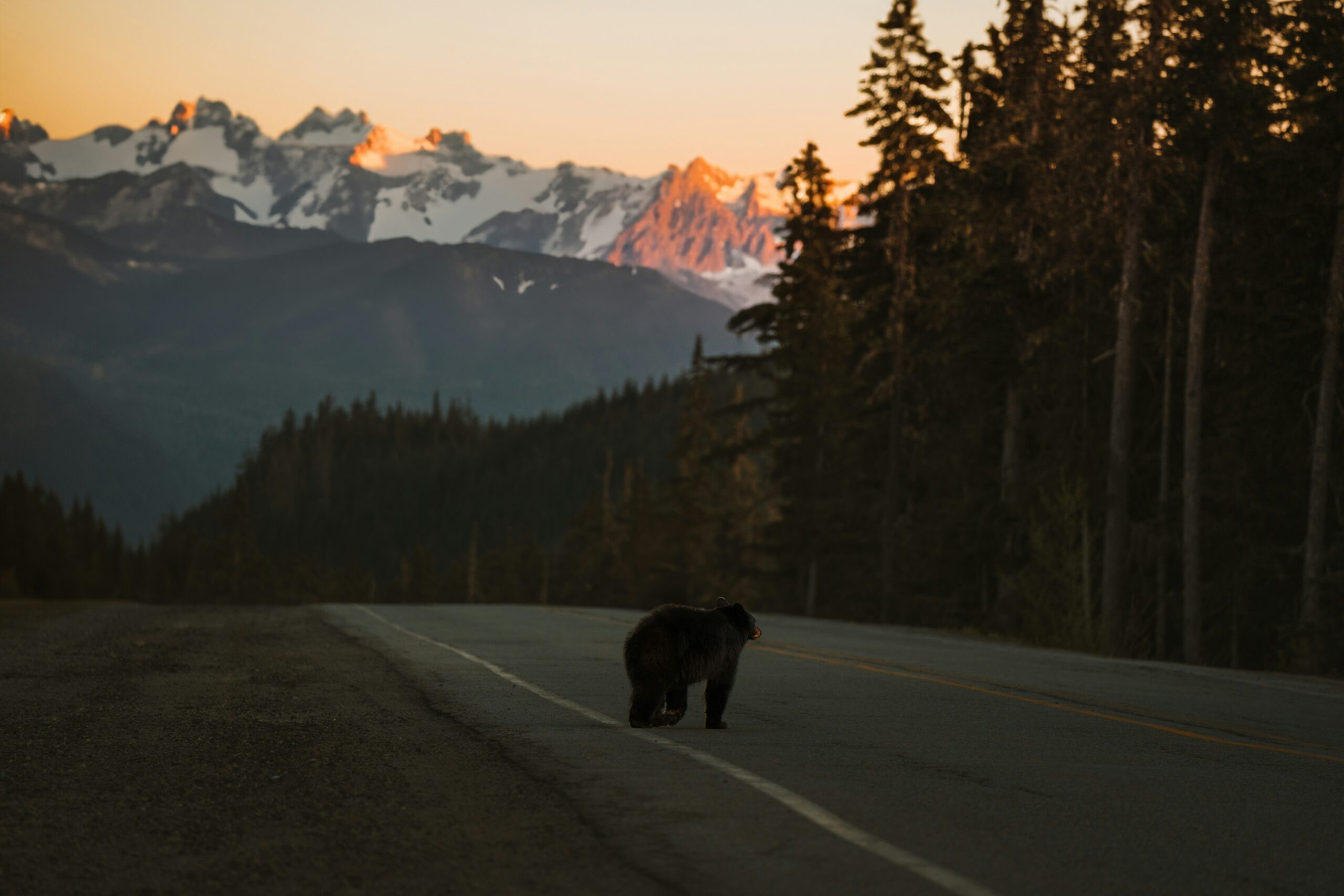
Recently, the internet has been ablaze with a strange but telling question: If you had to be alone in the woods, would you rather encounter a man or a bear? Overwhelmingly, women are choosing the bear. Why? Because while a bear may attack out of instinct, a man is far more likely to exploit a woman’s vulnerability through sexual violence. The meme is tongue-in-cheek, but the underlying point is deadly serious: women fear men more than wild animals.
This trend actually makes for a fascinating lens to revisit old and new stories about humans and bears. From Radhika Govindrajan’s Animal Intimacies, which documents Himalayan women’s stories of bears that abduct and have sex with women, to Disney Pixar’s Brave with its legendary bear Mor’du, bears have long blurred the boundary between human and animal, desire and danger, predator and protector.
Bears as Warnings — and Fantasies
In Animal Intimacies, women’s folklore depicts bears as both threatening and strangely alluring. Stories of bears having sex with women are cautionary tales: don’t walk alone at night, don’t wander into the forest. But these tales also carry traces of fascination—fantasizing about encounters that blur human-animal boundaries. The bear, here, is an ambiguous figure: danger wrapped in desire.
By contrast, in Brave, Mor’du embodies the consequences of greed. His transformation into a bear warns against unchecked lust for power. Elinor, Merida’s mother, also becomes a bear, showing how easily the line between human and animal can shift—sometimes perilously, sometimes redemptively.
Both stories tie bears to appetites: for food, for sex, for power. In other words, bears are cultural mirrors of our own hungers.
Men, Bears, and Violence
Here’s where the internet’s “man vs. bear” debate collides with these tales. Historically, men have often been portrayed as more dangerous than the beasts themselves. In Govindrajan’s accounts, it’s striking that women talk about bears’ sexual violence almost as a proxy for human men’s. The bear is the stand-in for danger, but it reflects a real-world fear of male violence.
Similarly, in Brave, the greed that turns men into bears—whether it’s Mor’du or Merida’s mischievous brothers—suggests that the line between “civilized man” and “wild beast” is razor-thin. Men become monstrous not because of claws and fur, but because of unchecked domination, desire, and entitlement.
So when women today say they’d rather be alone with a bear than with a man, they’re echoing centuries of cultural wisdom: the bear may kill you, but the man may violate you. The bear acts on instinct. The man acts on entitlement.
Storytelling as Survival
Why do these stories matter? Because they reveal how women have always used folklore—and now memes—as survival strategies. Warning stories about bears in the Himalayas weren’t really about bears. They were about protecting women from violence, teaching caution in a world where men and predators alike could harm you. The same can be said for today’s viral discourse. Choosing the bear isn’t just a joke. It’s a commentary on rape culture, on the ever-present threat of male violence, and on the ways women carve humor and solidarity out of fear.
The Lesson of Mor’du and the Meme
At their core, both Animal Intimacies and Brave teach us about blurred boundaries: between humans and animals, desire and danger, culture and instinct. The “man vs. bear” trend does the same—showing that sometimes the line between safety and danger isn’t about nature at all, but about patriarchy.
So the next time someone asks, Would you rather be alone with a man or a bear? remember: women’s answer—the bear—isn’t just a meme. It’s a story as old as folklore itself.
Leave a Reply