
There’s a disturbing trend hiding in plain sight: the growing normalization of sexualized language, imagery, and branding around babies and young children. What’s often brushed off as “humor,” “shock marketing,” or “relatable parenting content” is actually part of a much deeper problem — one that reflects how our culture struggles to see even children outside the male gaze.
From mom-fluencer content that frames infants as romantic props, to modeling industries that treat babies as aesthetic commodities, to corporate brands pushing innuendo-laced campaigns, we’re watching innocence get repackaged for adult entertainment.
And it should alarm all of us.
Mom-Fluencing and the Monetization of Childhood
Influencer culture has transformed parenting into content — and children into brand extensions.
Some creators joke about their babies being “heartbreakers,” future “lady killers,” or frame toddlers in romantic or sexualized narratives long before they can speak. It’s often played for laughs, but the message underneath is clear:
➡️ Children’s bodies and identities are already being framed for adult consumption.
When babies become props for engagement and profit, boundaries blur fast. Their privacy disappears. Their humanity gets reduced to performance.
This isn’t harmless. It teaches audiences — subconsciously — to view children as objects of narrative and consumption rather than autonomous people deserving protection.
Baby Modeling & the Aestheticization of Infancy
Brands have long used babies in advertising — but increasingly, babies aren’t just symbols of care or family anymore. They’re styled, posed, curated, and turned into “content.”
Companies like Gerber helped build the iconic “baby model” industry decades ago, and while many campaigns remain wholesome, the larger system turns infants into marketable bodies before they can consent.
When childhood becomes branding from birth, it sets the stage for objectification early — even when it looks innocent on the surface.
When “Edgy Marketing” Crosses a Line
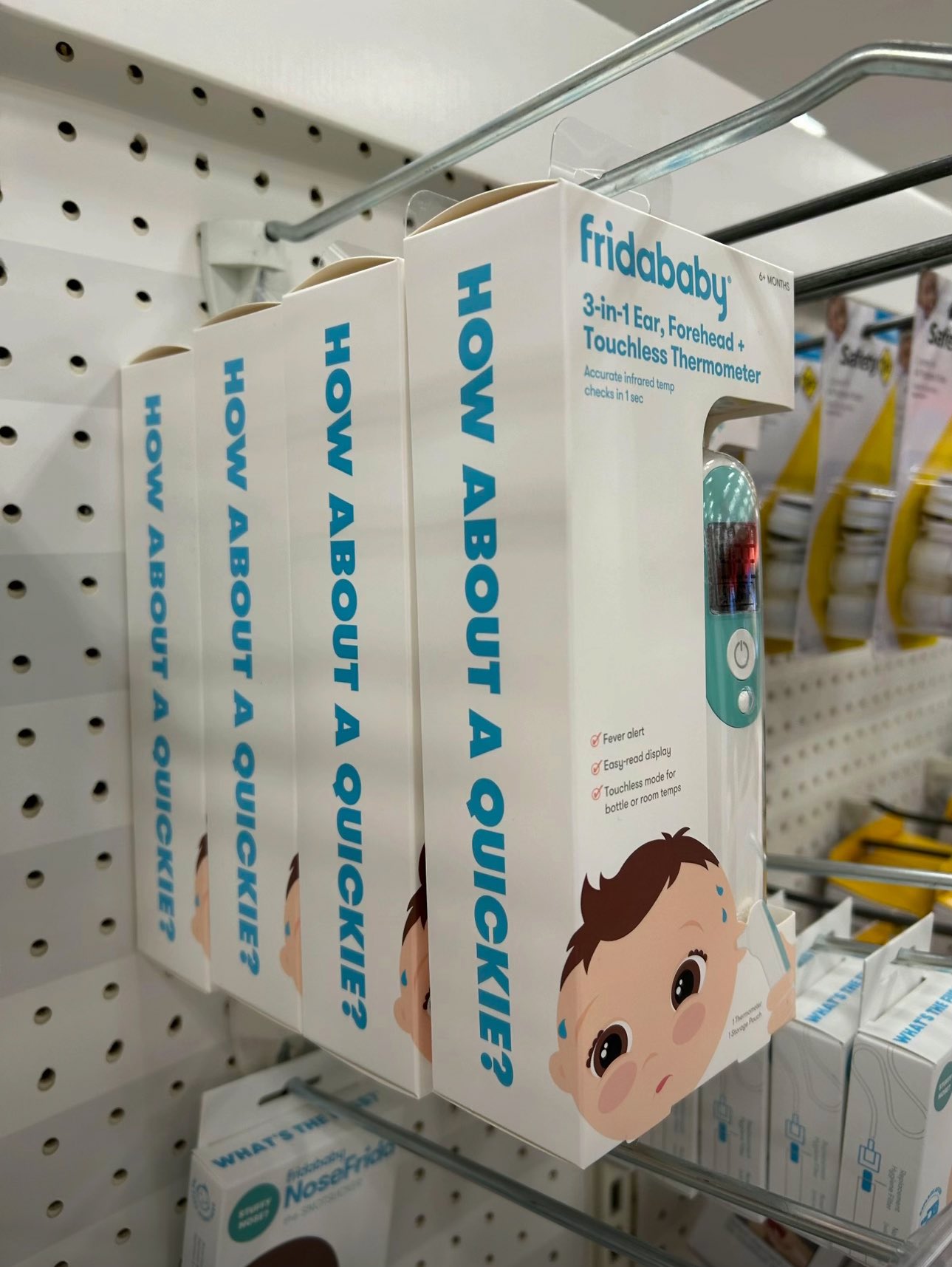
The most disturbing recent example comes from Frida Baby, a popular babycare brand that faced backlash after using overtly sexual phrases in marketing materials like:
- “This is the closest your husband’s gonna get to a threesome”
- “I get turned on quickly”
- “How about a quickie”
These weren’t adult wellness products.
They were babycare items.
The implication? Sexual humor layered directly onto infant-related products — turning babies into punchlines for adult desire.
Criticism exploded online, with users calling out the brand for sexualizing children in mainstream marketing and hiding negative comments as backlash grew.
Even public figures and organizations like Live Action amplified outrage — though concern crossed ideological lines. This wasn’t about politics. It was about boundaries.
The coverage, including reporting from The National News Desk, highlighted just how normalized this messaging had become before anyone intervened.
Why This Keeps Happening
Because our culture rewards:
📈 Shock value
📈 Virality
📈 Pushing boundaries for engagement
And it consistently sexualizes everything — even childhood.
Under capitalism, nothing is sacred if it can drive clicks or sales.
When marketers realize sexual innuendo gets attention, they use it — even when the product is literally for infants.
And when audiences laugh it off instead of questioning it, the line keeps moving.
The Feminist Issue at the Core
This isn’t just about marketing mistakes.
It’s about how deeply the male gaze and sexual commodification are embedded in society.
If even babies aren’t exempt from being framed through adult desire or humor, it shows how early objectification begins — particularly for girls, who are often branded as “pretty,” “flirty,” or “future heartbreakers” before they can walk.
It reinforces:
🚩 Bodies as products
🚩 Childhood as consumable
🚩 Desire as the default lens
Feminism challenges this by insisting on bodily autonomy, dignity, and protection — especially for those who cannot consent.
Where We Go From Here
We need to stop normalizing:
• Sexual jokes about children
• Branding that uses innuendo around babies
• Influencer content that turns kids into adult narratives
• Corporate “edginess” at the expense of child safety
And start demanding:
✔ Ethical marketing
✔ Child-centered media boundaries
✔ Accountability for brands
✔ Cultural pushback against objectification
Because protecting children isn’t being “too sensitive.”
It’s drawing necessary lines.
Final Thought
When society laughs at sexualized baby marketing, it reveals how desensitized we’ve become to objectification.
Babies are not jokes.
Children are not content.
Their bodies are not branding tools.
And the sooner we collectively say that — loudly — the safer and healthier our culture becomes.
Leave a Reply