
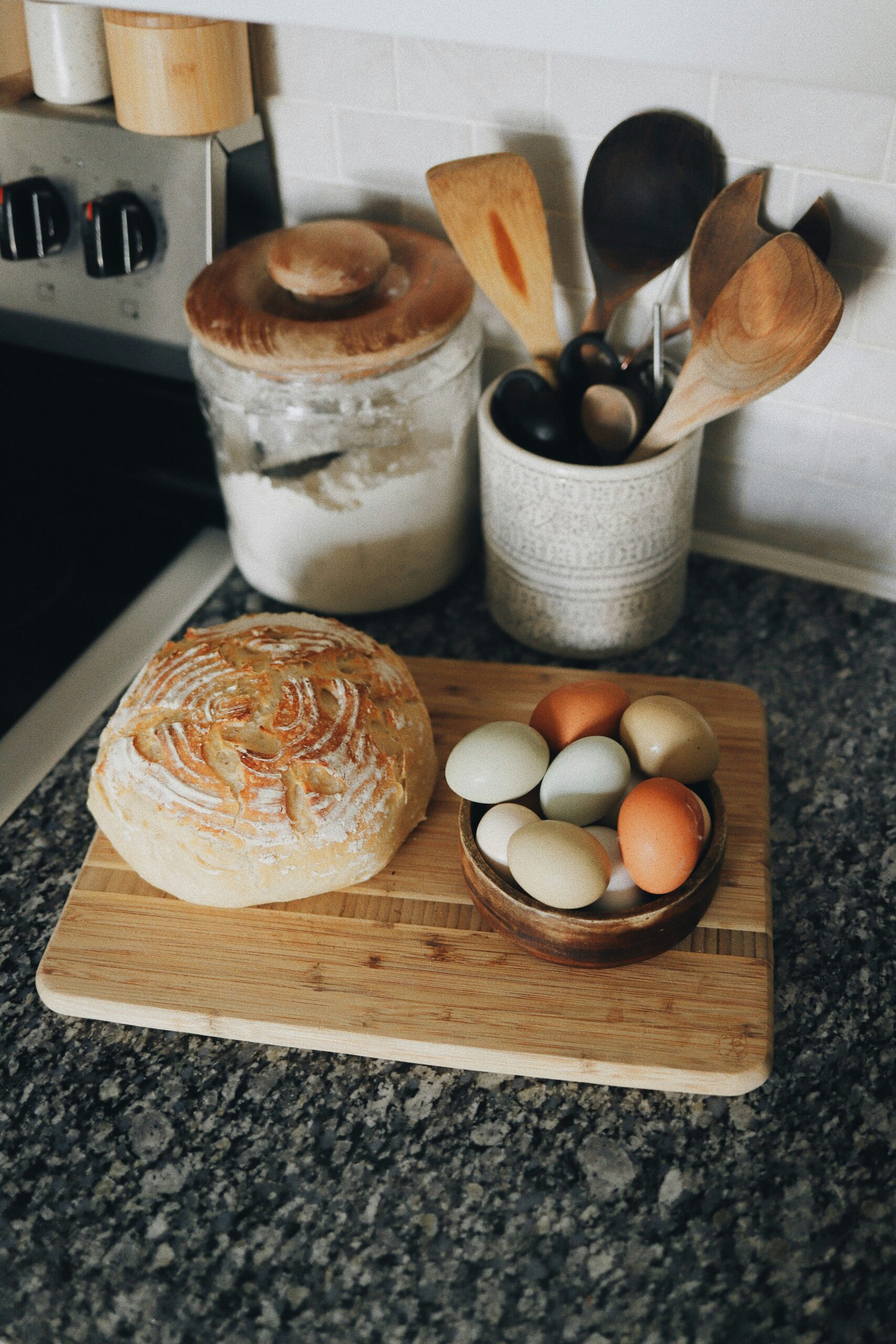
Photo by Amy Humphries on Unsplash
There’s something deceptively soft about the trad wife aesthetic.
Flowing dresses. Fresh bread cooling on wooden counters. Sunlight pouring through farmhouse windows. Women smiling as they homeschool children, prepare elaborate meals, and devote their lives to domestic “femininity.”
It looks peaceful. Intentional. Even empowering.
But beneath the linen aprons and sourdough starters lies something much older — and far more dangerous.
This trend isn’t just about slow living. It’s a rebrand of patriarchy.
The Fantasy of “Choice”
Trad wife content is often framed as women reclaiming traditional femininity by choice. And yes — choice feminism tells us that if a woman chooses something, it must automatically be empowering.
But feminism has never been about individual comfort divorced from power structures.
When your “choice” mirrors centuries of women being economically dependent, domestically confined, and socially limited, it deserves critique — not applause.
The trad wife aesthetic romanticizes:
• financial dependence on men
• unpaid domestic labor
• motherhood as a woman’s primary value
• obedience framed as peace
It sells submission as serenity.
Soft Filters on Hard Inequality
What these videos rarely show:
• lack of personal income
• vulnerability to abuse
• isolation
• the exhaustion of unpaid labor
• loss of autonomy
Historically, women trapped in these roles couldn’t leave bad marriages, pursue education, or control their bodies.
The trad wife trend erases that reality and replaces it with a Pinterest board.
This is how patriarchy survives — not through force, but through fantasy.
Why It’s Trending Now
Trad wife content thrives in moments of social instability.
When the world feels chaotic, people crave simplicity. Certainty. Clear roles.
Patriarchy offers that:
Men lead.
Women serve.
Life is “easier.”
It’s the same reason authoritarian ideologies always rise during economic and cultural stress.
Control gets marketed as comfort.
The Political Undercurrent
Many trad wife creators openly link their lifestyle to:
• “family values”
• anti-feminism
• religious fundamentalism
• anti-LGBTQ+ rhetoric
The aesthetic is soft.
The ideology is not.
This isn’t just about baking bread. It’s about pushing women back into dependency while calling it fulfillment.
Feminism Isn’t Anti-Domestic Life — It’s Anti-Compulsion
There is nothing wrong with enjoying homemaking.
There is something wrong with pretending it’s women’s natural destiny.
True liberation means:
✔ women can stay home if they want
✔ women can work if they want
✔ women can choose motherhood or not
✔ women are economically secure regardless
Trad wife culture sells one narrow life path as moral superiority.
That’s not freedom.
That’s branding patriarchy with better lighting.
The Softest Cage Is Still a Cage
What makes this trend powerful is that it doesn’t look oppressive.
It looks cozy.
And that’s the danger.
When inequality feels aesthetic, people stop questioning it.
The trad wife movement isn’t nostalgia — it’s a cultural rollback dressed in cottagecore.
And patriarchy has always loved a pretty disguise.
Leave a Reply