
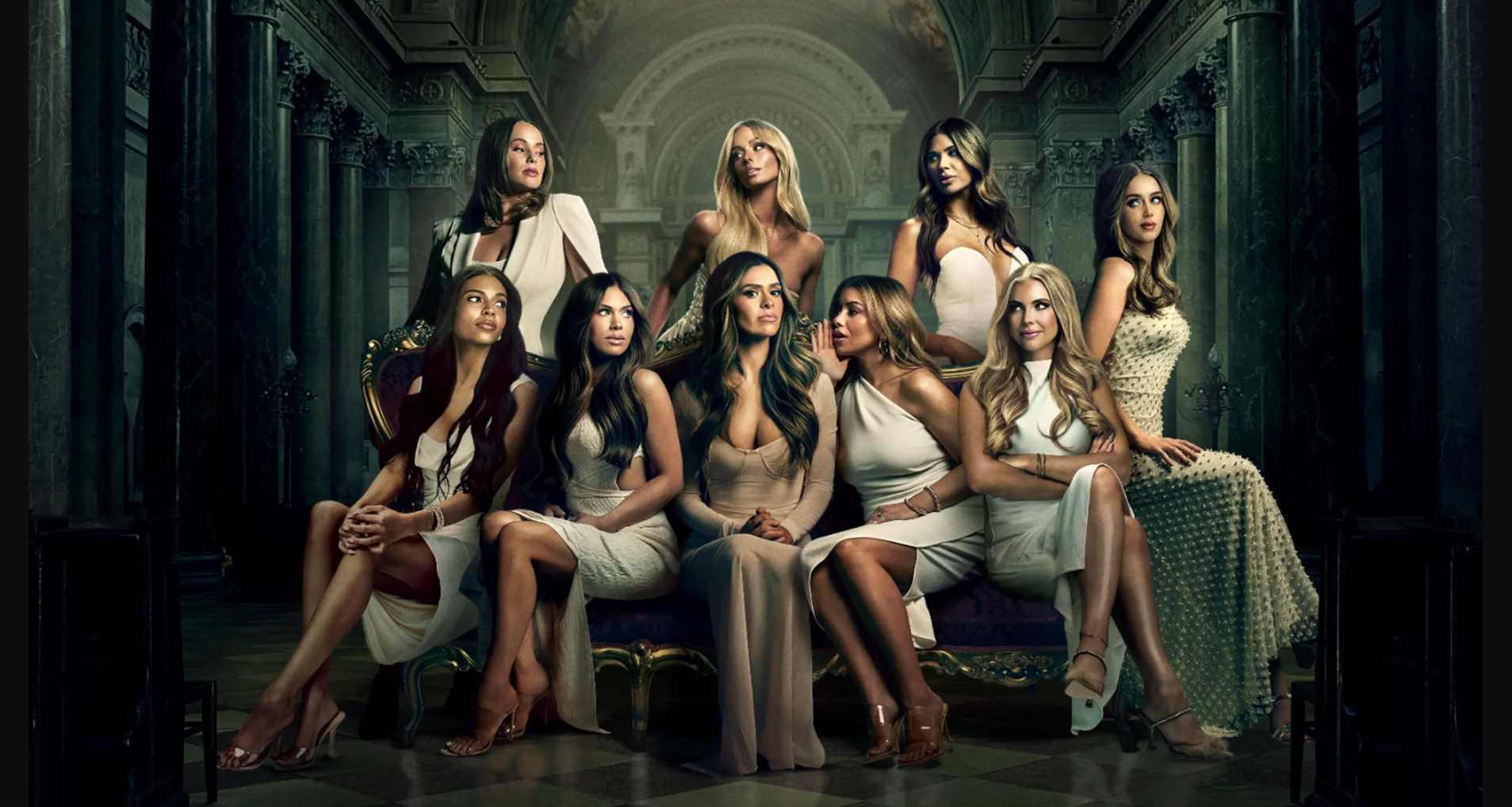
Reality TV rarely means to expose patriarchy — but this show does it anyway.
Beneath the friendship drama and viral moments sits a deeply gendered system of power rooted in religion, purity culture, and rigid expectations about masculinity and femininity. When viewed through a Women & Gender Studies lens, the series becomes a case study in how patriarchy adapts when women gain visibility, money, and autonomy.
Let’s break it down.
🔥 Cheating, Shame, and the Gendered Villain Narrative
One of the clearest feminist patterns in the show is how infidelity is framed differently based on gender.
When men cheat — like Dakota cheating on Taylor — the response is forgiveness, understanding, and “working through it.”
Mistakes are human.
Growth is expected.
But when women cheat — like Jessi with Jordan or Taylor with Tate — the narrative shifts fast:
Suddenly they’re:
• manipulative
• destructive
• selfish
• home-wreckers
Their sexuality becomes a threat.
Feminist theory calls this sexual double standards — where men’s infidelity is seen as weakness or temptation, while women’s is seen as moral failure and social chaos.
Even more telling?
Women’s cheating is framed as emasculating.
The men are portrayed as “not masculine enough,” reinforcing the idea that a man’s worth depends on controlling female sexuality.
Not love.
Not trust.
Control.
🧹 Domestic Labor vs Breadwinner Masculinity
Traditional Mormon gender roles are clear:
Women:
• cook
• clean
• raise children
• maintain the home
Men:
• work
• provide
• lead spiritually
This is classic patriarchal division of labor — unpaid domestic work for women, financial authority for men.
But SLOMW disrupts this.
The women now make more money than the men through:
• brand deals
• social media
• Hulu contracts
And suddenly masculinity is in crisis.
Some men embrace being stay-at-home dads.
Others feel “less than.”
Threatened.
Stripped of identity.
Because patriarchy teaches men that worth = provision.
When women become the providers, the system shakes.
This isn’t about finances.
It’s about power.
👶 Baby Blessings & Male Spiritual Authority
One of the most revealing religious dynamics is the priesthood system.
Only men can bless babies.
Only men can authorize spiritual rituals.
Women cannot host blessings without the father’s approval.
Spiritual power flows exclusively through male bodies.
Which is exactly how patriarchal religions maintain hierarchy.
The Baby Ever situation exposes this perfectly.
Dakota refuses to bless Ever — not for spiritual reasons, but as retaliation for Taylor making his scandals public.
So Taylor hosts her own blessing focused on peace and happiness.
This moment is quietly revolutionary.
A woman creating spiritual meaning without male permission.
And it happens because male authority was weaponized to punish her.
Feminist theology has long argued that when religious power is monopolized by men, it becomes a tool of control — not faith.
💄 Beauty as Social Currency in Mormon Utah
Another major gender system at play is appearance policing.
The “ideal Mormon woman” aesthetic is everywhere:
• blonde hair
• Botox
• Utah curls
• thin bodies
• hyper-feminine presentation
These women are constantly altering themselves to fit a narrow beauty mold.
This isn’t vanity — it’s survival in a culture where women’s value is tied to desirability, youth, and perfection.
Feminist philosophers call this the male gaze internalized — when women reshape themselves not for joy, but for social approval.
Beauty becomes a form of labor.
And in patriarchal systems, it’s often the only power women are allowed to hold.
🎭 Chippendales, Hypocrisy, and Sexual Control
The Chippendales incident reveals everything about sexual double standards.
Some husbands and boyfriends react with rage and threats — including Zach threatening divorce.
The issue isn’t morality.
It’s ownership.
Men are allowed sexual freedom, gambling, and indulgence — even when those things violate church rules.
But women engaging with male sexuality?
Unacceptable.
Zach condemns Jen for being near a Chippendales show while actively gambling thousands of dollars away — something explicitly against Mormon teachings.
This is patriarchal religion in action:
Rules are enforced selectively — always harsher on women.
Control of women’s sexuality is prioritized over actual moral consistency.
🏳️🌈 The Church, Queerness, and “Acceptable” Womanhood
The Mormon Church’s stances on:
• homosexuality
• transgender identity
• pregnancy outside marriage
• divorce
all reinforce one central message:
There is only one acceptable life path.
Straight.
Married.
Reproductive.
Submissive.
Anyone who deviates becomes a moral problem.
Feminist theory explains this as compulsory heterosexuality — the system that forces women into straight marriage and motherhood as their primary social role.
Reality TV simply puts faces to it.
💥 The Bigger Feminist Truth
What SLOMW shows us isn’t just relationship drama.
It shows:
✔️ how men are forgiven and women are punished
✔️ how masculinity is built on control and provision
✔️ how religion reinforces male authority
✔️ how beauty becomes women’s currency
✔️ how sexual autonomy threatens patriarchy
Even when women gain money and visibility, the system pushes back.
Through shame.
Through religion.
Through gender expectations.
Through emotional punishment.
✨ Final Takeaway
The Secret Lives of Mormon Wives isn’t just about messy relationships.
It’s about what happens when:
• women gain economic power
• desire breaks through repression
• religious control meets modern autonomy
And patriarchy starts to crack.
The tension you feel watching it?
That’s gender systems colliding in real time.
And that’s exactly why this show is such a powerful feminist text — whether it meant to be or not.
Leave a Reply