
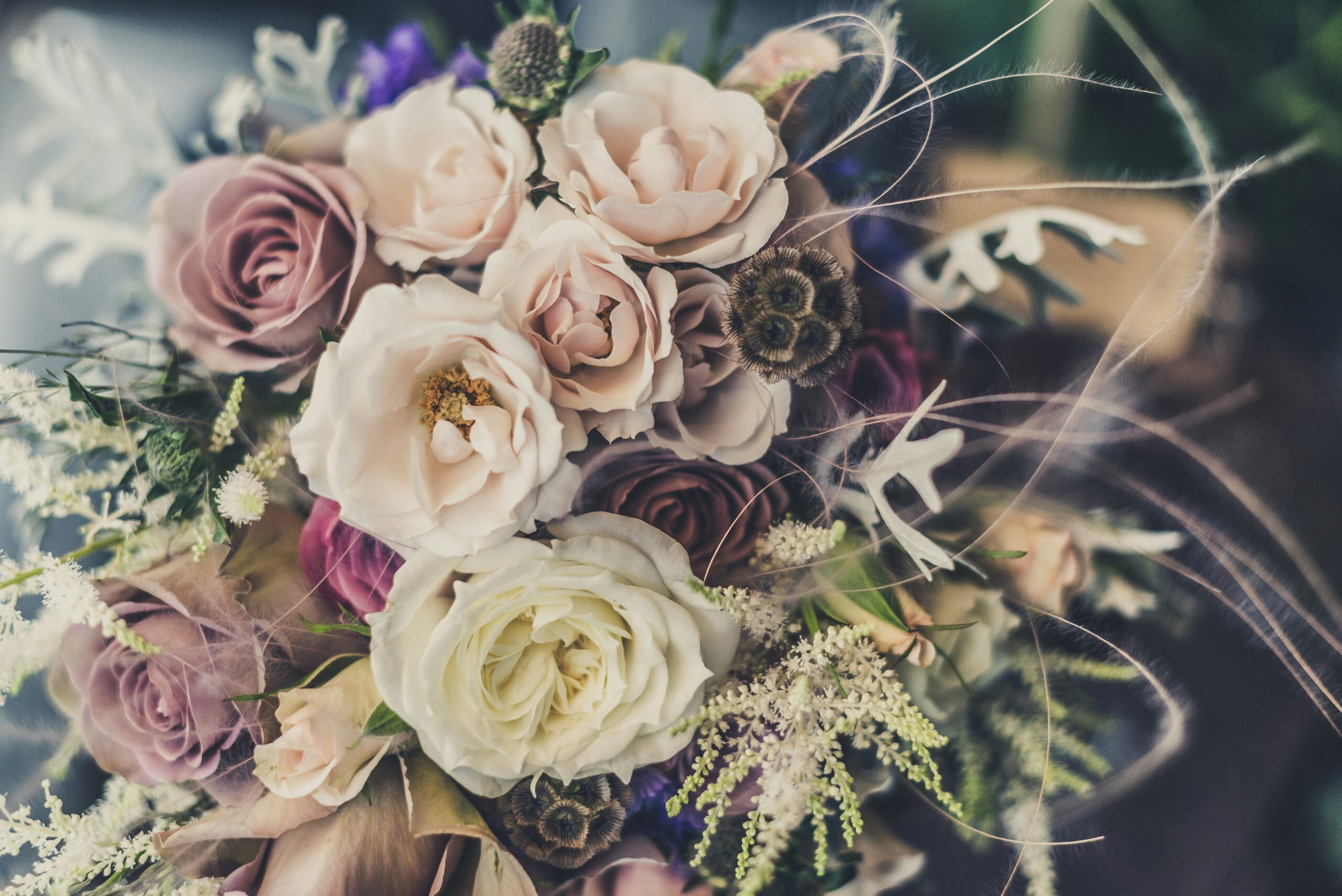
Photo by Jez Timms on Unsplash
For many men, the first time they receive flowers is at their own funeral.
This oft-repeated phrase isn’t just poetic — it’s sociologically revealing. It exposes how deeply patriarchy polices emotional expression, beauty, care, and softness as feminine territory, while reserving flowers for women or for death. From an academic feminist theory lens, this isn’t accidental. It’s the result of centuries of gender construction that restricts men’s access to tenderness, celebration, and visible affection.
Let’s break down why this happens — and how feminist resistance is already working to undo it.
Gender as a Social Construction (Not a Natural Truth)
Feminist theorists have long argued that what we call “masculine” and “feminine” are not biological destinies — they’re cultural scripts.
Judith Butler famously described gender as performative: a repeated set of behaviors society rewards or punishes until they feel natural.
In this framework, flowers become symbolic.
They represent:
- softness
- beauty
- vulnerability
- care
Traits patriarchy codes as feminine.
When boys are discouraged from liking flowers — or mocked for receiving them — society is actively training them away from emotional openness and aesthetic joy.
So by adulthood, flowers feel “not for them.”
Not because men don’t like them.
Because they were taught not to.
Emotional Deprivation as a Patriarchal Tool
Patriarchy doesn’t just oppress women — it also restricts men, particularly around emotional expression.
bell hooks wrote extensively about how boys are socialized to suppress vulnerability, tenderness, and emotional needs in order to perform “real manhood.” Love becomes something they give through protection or provision — not something they visibly receive.
Flowers, which symbolize affection without utility, clash with patriarchal masculinity.
They are:
🌸 not productive
🌸 not tough
🌸 not transactional
So they’re removed from men’s lives — except in death, when masculinity no longer needs to be performed.
That’s not poetic.
That’s emotional starvation.
The Gendering of Beauty and Care
Historically, flowers weren’t always feminized. Men wore floral pins, carried bouquets, and exchanged plants as signs of respect, love, and celebration across many cultures.
The shift happened alongside industrialization and rigid Victorian gender roles, when:
- women were associated with beauty, decoration, and domestic life
- men were associated with labor, stoicism, and public power
Flowers became part of the “ornamental feminine sphere.”
Feminist philosopher Simone de Beauvoir argued that womanhood was constructed as the Other — associated with nature, beauty, and passivity, while men represented culture, action, and control.
Once flowers were coded as “women’s things,” men receiving them became a threat to masculinity itself.
Why the Funeral Reality Is So Disturbing
When flowers are reserved for men only in death, it sends a chilling message:
👉 Men deserve tenderness only when they’re no longer alive to feel it.
It implies that:
- affection is inappropriate in life
- softness is weakness
- celebration is not masculine
And this contributes directly to:
- emotional isolation among men
- difficulty receiving love
- higher rates of depression and loneliness
Patriarchy teaches men to survive — not to be cared for.
Feminist Resistance: Reclaiming Flowers for Everyone
Many feminists intentionally give flowers to the men in their lives — partners, fathers, brothers, friends — not as a gimmick, but as a quiet act of gender disruption.
This is micro-resistance in action.
It challenges:
🌿 the idea that beauty is gendered
🌿 the idea that men shouldn’t receive softness
🌿 the emotional hierarchy patriarchy enforces
In feminist theory, these everyday acts matter. They reshape norms not through laws, but through lived experience.
When men receive flowers and feel joy instead of embarrassment, something cracks open in the gender script.
How We Can Combat This Culturally
From a feminist praxis standpoint, undoing this norm requires both symbolic and structural change:
🌸 Normalize men receiving care
Give flowers for:
- birthdays
- accomplishments
- bad days
- just because
📚 Challenge gendered messaging
Call out ads, jokes, and comments that frame flowers as “for women only.”
💬 Teach emotional literacy early
Let boys enjoy beauty, tenderness, and affection without shame.
🎁 Broaden how we express love
Not everything needs to be practical or masculine-coded.
The Bigger Feminist Truth
This isn’t really about flowers.
It’s about who is allowed to receive:
❤️ tenderness
❤️ beauty
❤️ celebration
❤️ visible love
Patriarchy hoards these for women — and then devalues women for embodying them — while depriving men of them entirely.
Feminism doesn’t just fight for women’s freedom.
It fights for a world where softness isn’t a gendered privilege.
Final Reflection
When a man receives flowers for the first time at his funeral, it reveals how much affection society withheld from him in life.
Undoing that starts small.
A bouquet.
A gesture.
A refusal to let patriarchy decide who gets tenderness.
And in those small acts, culture slowly changes.
Leave a Reply