
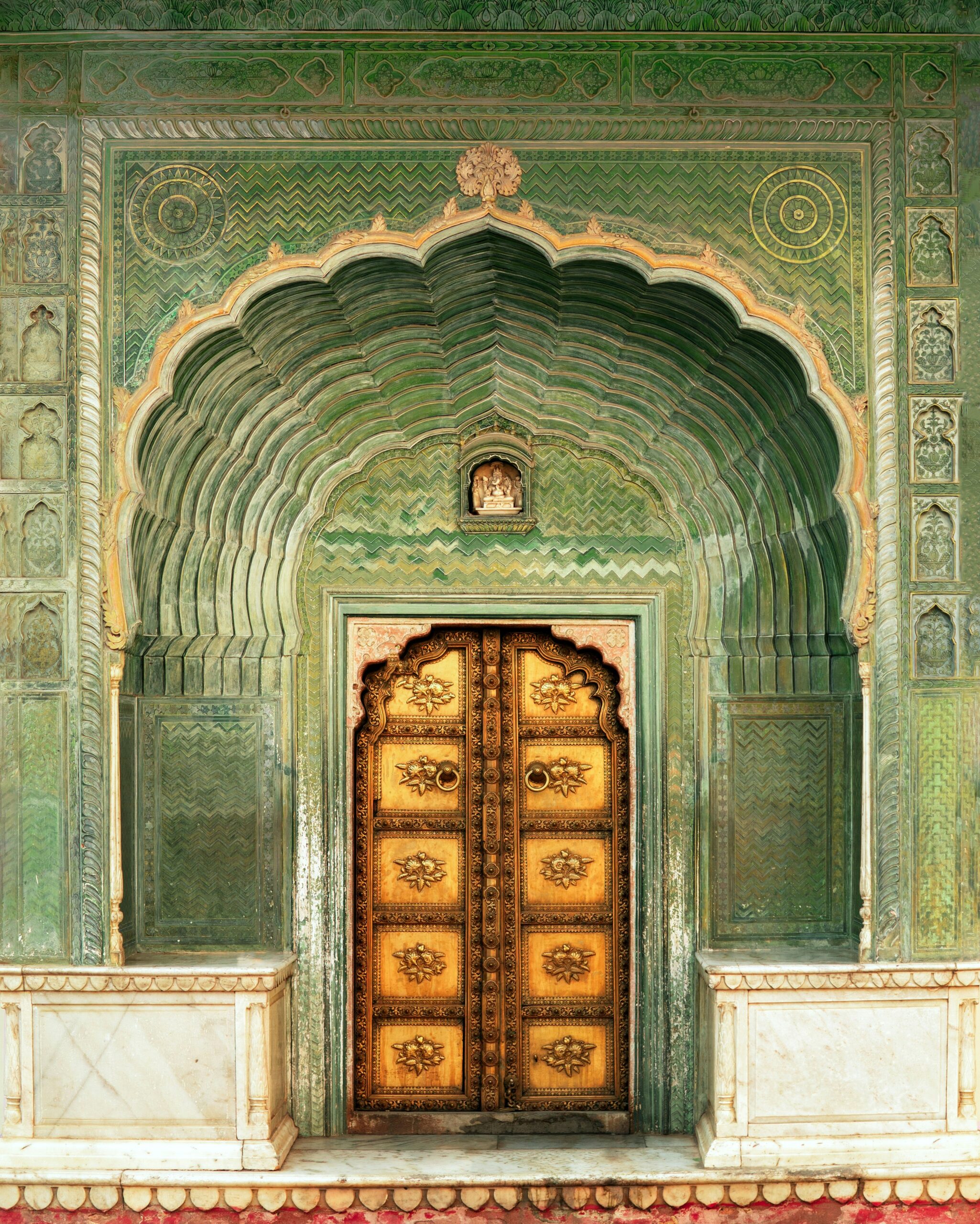
Photo by Rahul Chakraborty on Unsplash
Chitra Banerjee Divakaruni’s The Palace of Illusions reimagines the epic Mahabharata through the eyes of Draupadi (Panchaali), a woman often reduced to myth, duty, or property. But here, her journey unfolds through spaces—palaces, huts, forests, even exile—that mirror the evolution of her desires, struggles, and eventual liberation.
What we witness across Draupadi’s “palaces” is more than shifting architecture. They’re reflections of a woman negotiating loneliness, marriage, power, loss, and ultimately, transcendence.
Stage One: The Father’s Palace – Loneliness in Luxury
As a girl, Draupadi is surrounded by grandeur, but she finds the walls of her father’s palace suffocating. Her only escape comes through stories told by her nurse. Here, palatial wealth masks a deep hunger—for connection, for freedom, for a space of her own.
It’s the first lesson of womanhood: gilded cages are still cages.
Stage Two: The Hut – Duty Over Desire
After Arjuna “wins” her in marriage (a reminder of how women are treated as property), Draupadi moves not into a palace but a hut. Here, she is commanded to share herself with all five Pandava brothers. In this space, her childhood dreams collapse under the weight of duty.
As she realizes, “Pleasure is simpler, and duty is more important.” Desire is silenced; obligation takes center stage.
Stage Three: The Palace of Illusions – Desire Rekindled
In one of the novel’s most powerful turns, Draupadi’s voice is finally heard. When the Pandavas build a palace, Bheem insists she be asked what she wants. For the first time, she is treated as an equal partner.
Her requests overflow with imagination—streams winding through halls, fountains, lotus ponds. In this palace, she rediscovers joy and possibility, her desires woven into stone and water. For a fleeting moment, she is not only wife but creator.
Stage Four: Exile – The Shattering of Illusions
But illusion is fragile. When Yudhishthir gambles away everything—including Draupadi’s beloved palace—her sanctuary crumbles. Stripped of power, dragged into exile, she rages, mourns, and refuses even to comb her hair.
The palace that once symbolized recognition becomes a reminder of how quickly women’s desires can be bargained away in a patriarchal game.
Stage Five: The Final Palace – Beyond Gender, Beyond Ego
At the end of her life, Draupadi discovers the ultimate palace—not of stone or illusion, but of sky and freedom. She reflects, “I am beyond gender and the imprisoning patterns of ego. And yet, for the first time, I’m truly Panchaali.”
Her final revelation ties every stage together: freedom was always her deepest desire, and it is found not in palaces built by men, but in release from their illusions.
Why It Matters
Draupadi’s journey through these palaces is more than myth retold. It’s a feminist map of existence:
- The loneliness of girlhood within patriarchal walls.
- The silencing of desire in marriage and duty.
- The brief recognition of voice and agency.
- The devastation of loss when men gamble away women’s freedom.
- And finally, the radical liberation of self, beyond gender and constraint.
Leave a Reply